
Go Caroling Day is an informal observance on December 20. It encourages people to share seasonal songs, whether in a neighborhood, at a community gathering, or among friends. The tradition of caroling has a longer and more varied history than the modern themed date.
Singing together can make a place feel briefly different. A familiar melody carries memories of earlier voices, while a group gives less confident singers permission to join. Repertoire and religious meaning vary, so a thoughtful gathering considers who is present rather than assuming everyone shares the same traditions.
Arrange visits in advance, respect quiet hours, and ask permission before singing at a care setting or private home. Participation should be an invitation, not an interruption someone is obliged to enjoy. A small, considerate performance can carry more warmth than a loud attempt to manufacture festive feeling.
Also celebrated on December 20

International Human Solidarity Day
Shared responsibility, made practical.
A song is a warmer gift when the listener has welcomed it.Original editorial reflection
YOUR OWN REASON TO CELEBRATE
Does this day mean something to you?
ALSO ON THIS DAY · 1803
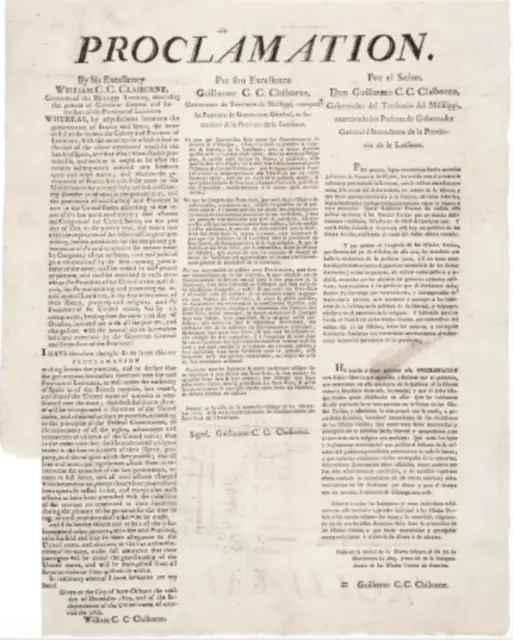
A formal transfer in New Orleans
On December 20, 1803, Louisiana Territory was formally transferred from France to the United States in New Orleans. The ceremony followed the purchase agreement earlier that year. Government documents record the transaction, while the territory’s inhabitants—including Indigenous nations—had their own histories and interests. A change on a political map did not mean the land had previously been empty or without sovereignty.