
The International Day of Epidemic Preparedness is observed on December 27. First held in 2020 after a United Nations General Assembly resolution, it emphasizes prevention, preparedness, and partnership. The subject is not a prediction of the next emergency, but the work that helps societies respond more effectively when one occurs.
Preparedness involves public-health systems, reliable communication, trained workers, research, and access to care. It also requires trust: information is less useful when people cannot understand it or have good reasons to feel excluded from the institutions delivering it. Strong systems are built before they are urgently needed.
For individual questions, consult current guidance from your local health authority rather than old social-media advice. This observance is an invitation to learn how preparedness works and to value the people maintaining it. Remembering an emergency responsibly includes asking what can be improved for the future.
Preparedness is care practiced before it is urgently visible.Original editorial reflection
YOUR OWN REASON TO CELEBRATE
Does this day mean something to you?
ALSO ON THIS DAY · 1831
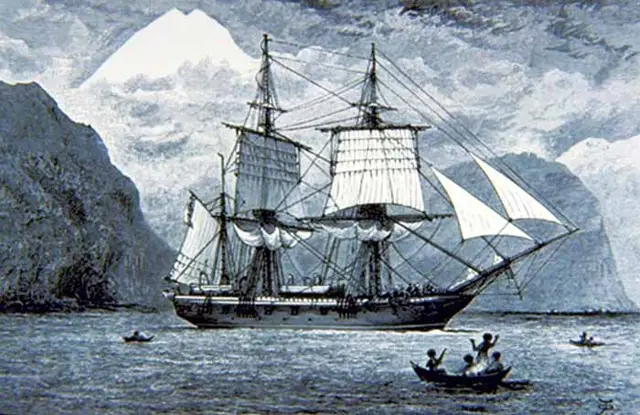
A surveying voyage with an unexpected scientific legacy
HMS Beagle departed Plymouth on December 27, 1831, with Charles Darwin aboard. Its principal task was a surveying voyage; the observations Darwin made during the journey later contributed to his scientific thinking. The departure was not the publication of an evolutionary theory. The distinction helps show how long periods of collecting, comparison, and reflection can separate experience from a major explanation.