
World AIDS Day is observed on December 1. Established in 1988, it brings people together to remember those who have died from AIDS-related illnesses and to stand alongside people living with HIV. Its familiar red ribbon is a gesture of solidarity, but the purpose of the day reaches beyond a symbol: it asks how dignity is protected in everyday life.
The history of the HIV response includes scientific progress, community organizing, grief, and resistance to discrimination. Remembering that history means recognizing the people who demanded care, accurate information, and a place in decisions affecting their lives. HIV and AIDS are not interchangeable terms, and respectful language matters.
A meaningful observance might begin with learning from a trusted health organization, supporting a community-led initiative, or listening without assumptions. Remembrance can be quiet. Solidarity becomes visible in the way a person is welcomed, spoken about, and treated after the awareness day has passed.
Also celebrated on December 1

GivingTuesday
Generosity has more than one currency.
Dignity belongs beside every diagnosis.Original editorial reflection
YOUR OWN REASON TO CELEBRATE
Does this day mean something to you?
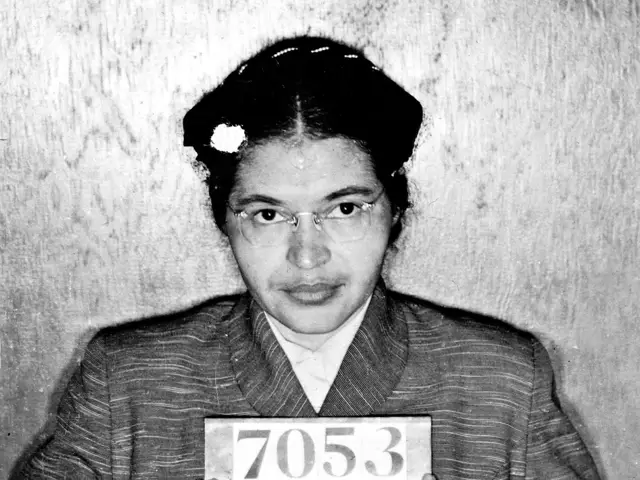
ALSO ON THIS DAY · 1955
Rosa Parks refuses to surrender her seat
On December 1, 1955, Rosa Parks was arrested in Montgomery, Alabama, after refusing to surrender her bus seat under the city’s segregation rules. Her action grew from a longer history of activism and helped mobilize a sustained community boycott. The arrest records make the event specific: civil-rights history was shaped by an individual decision and collective organizing.